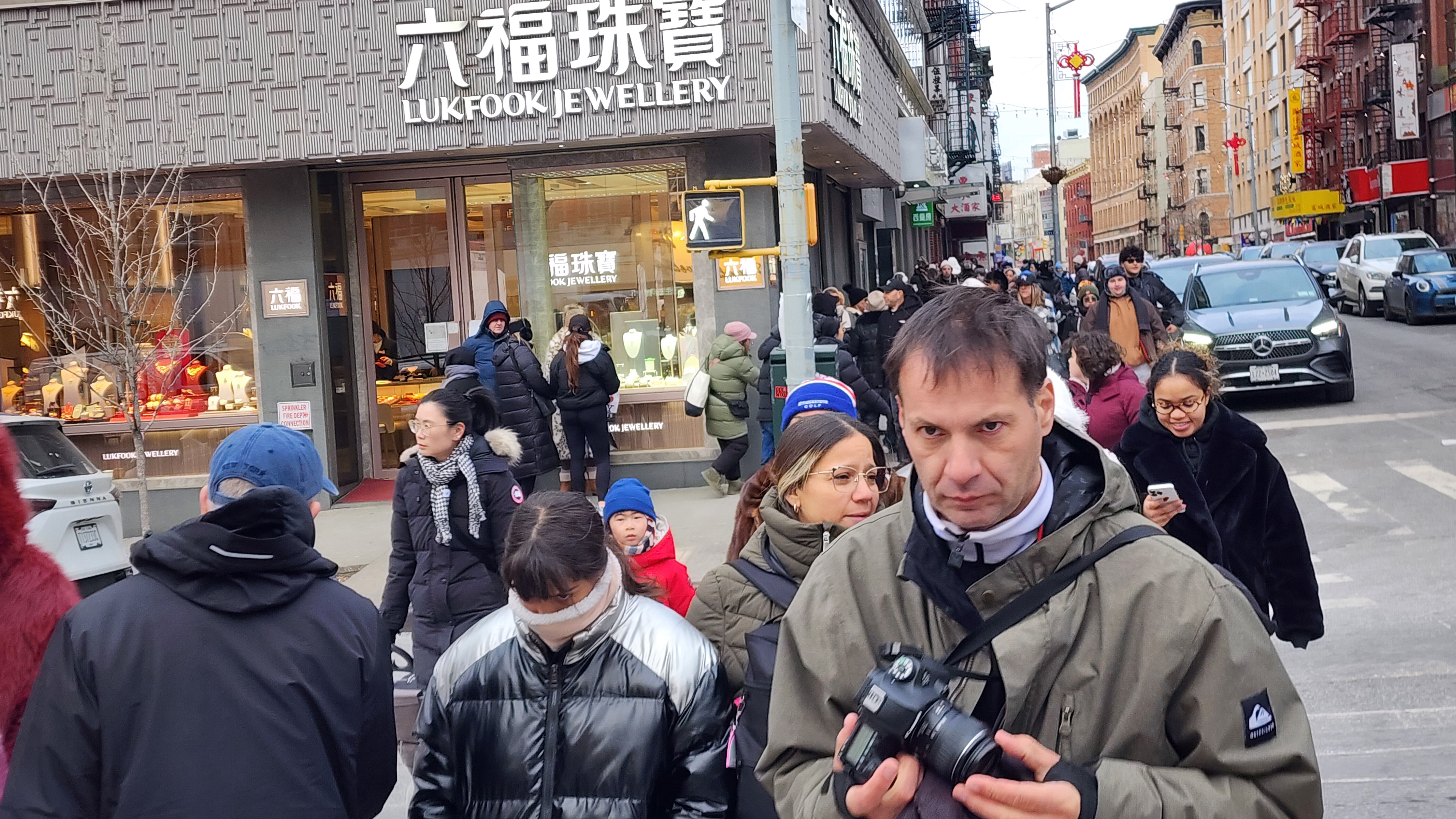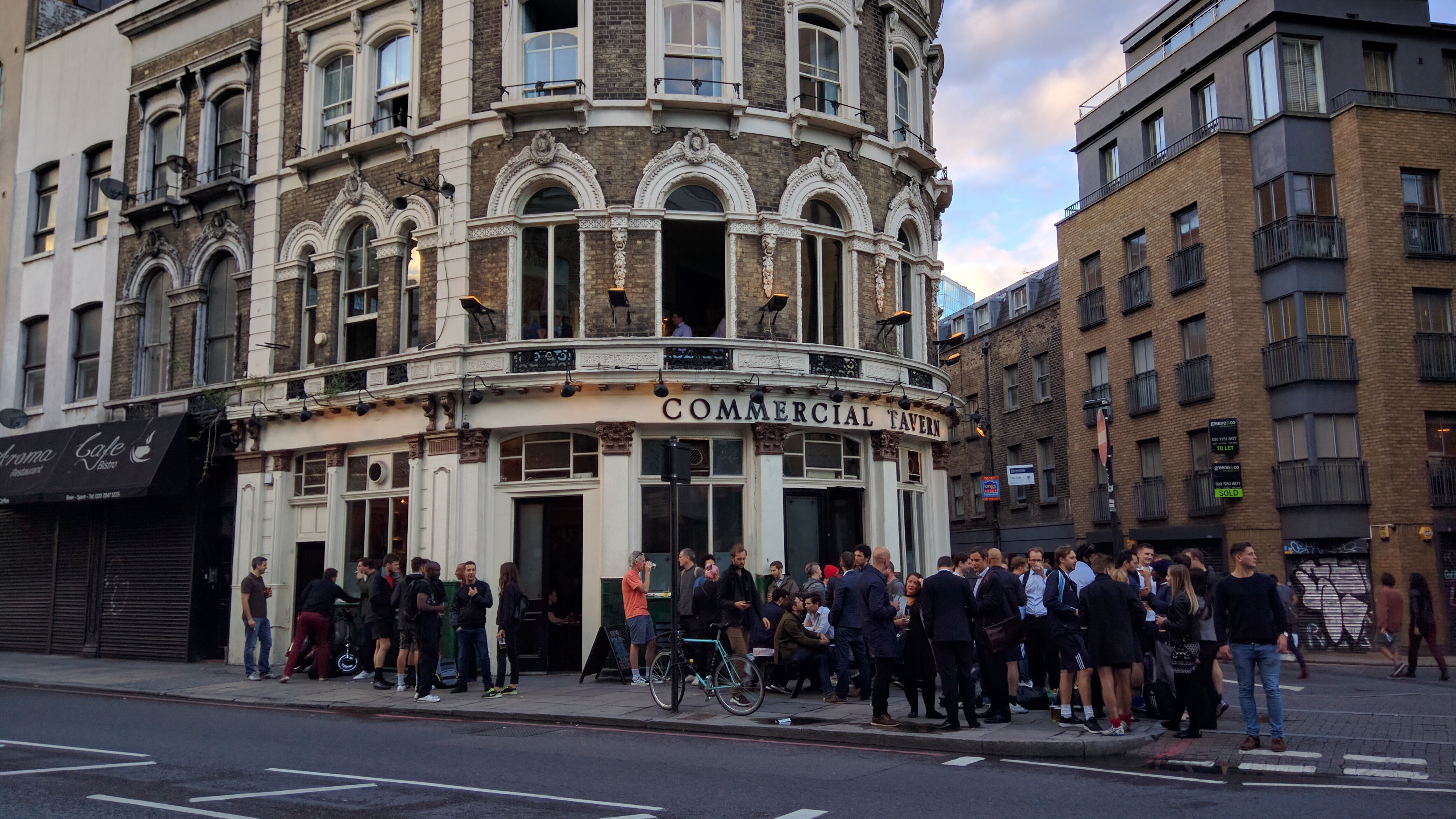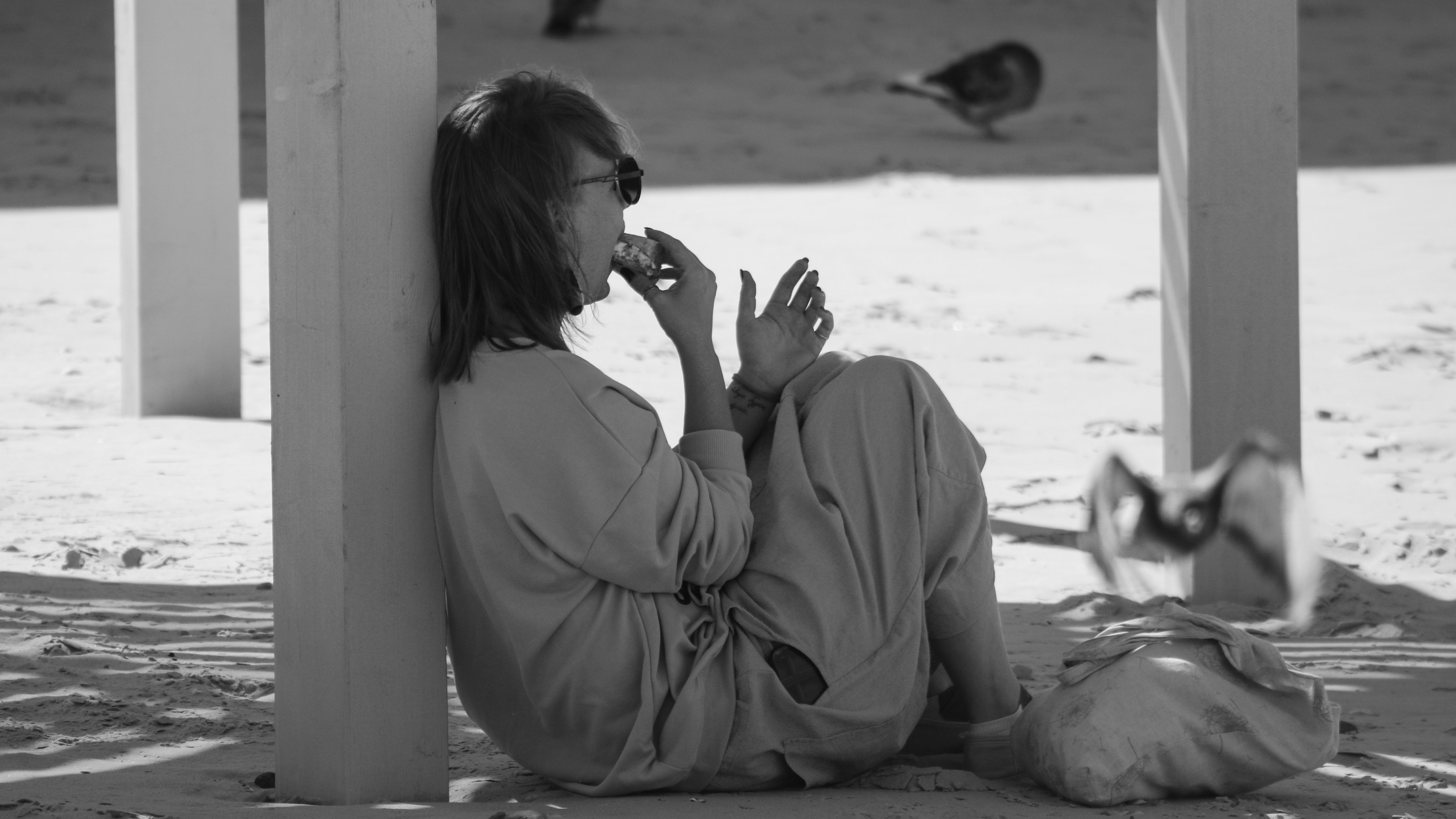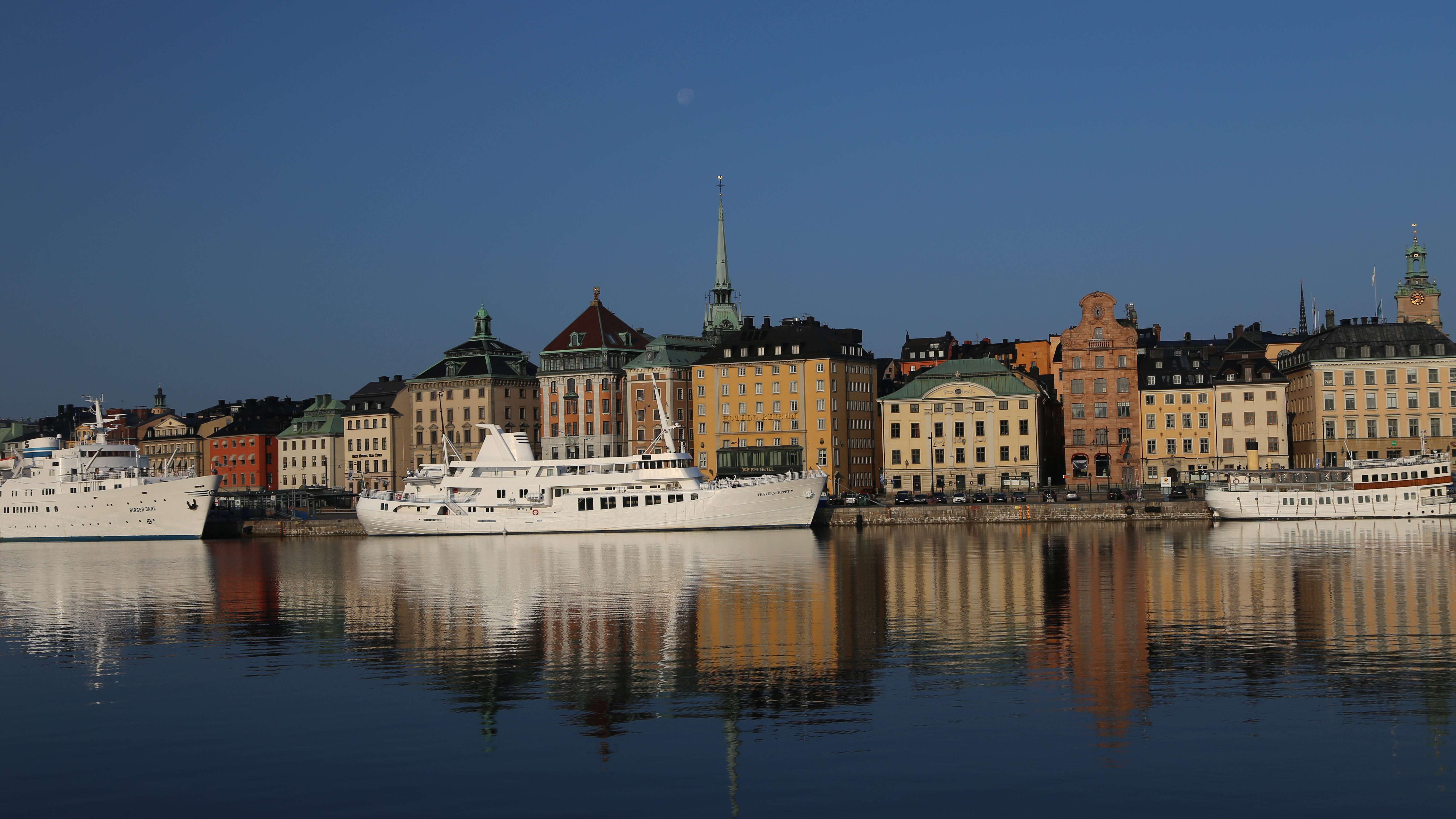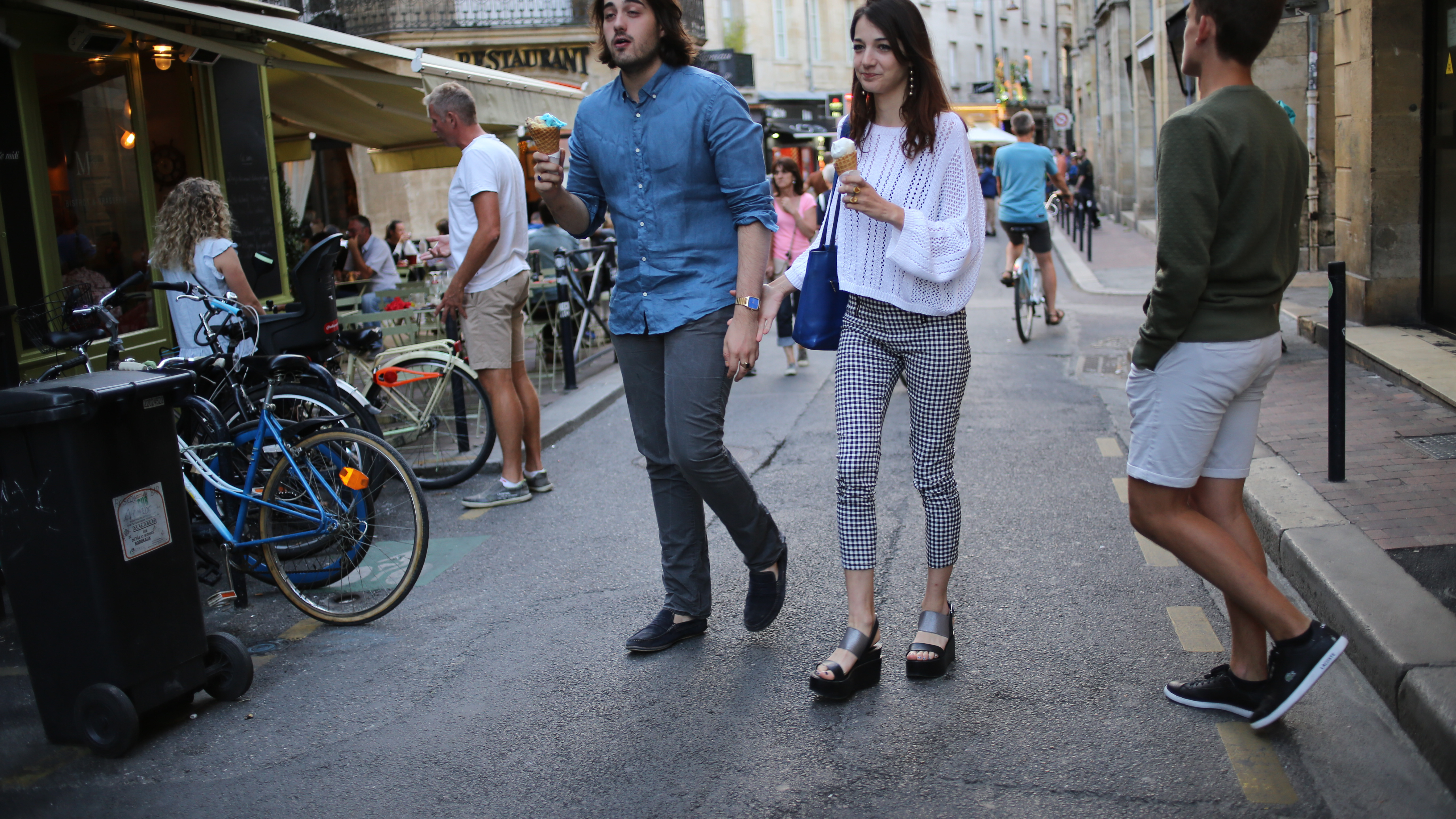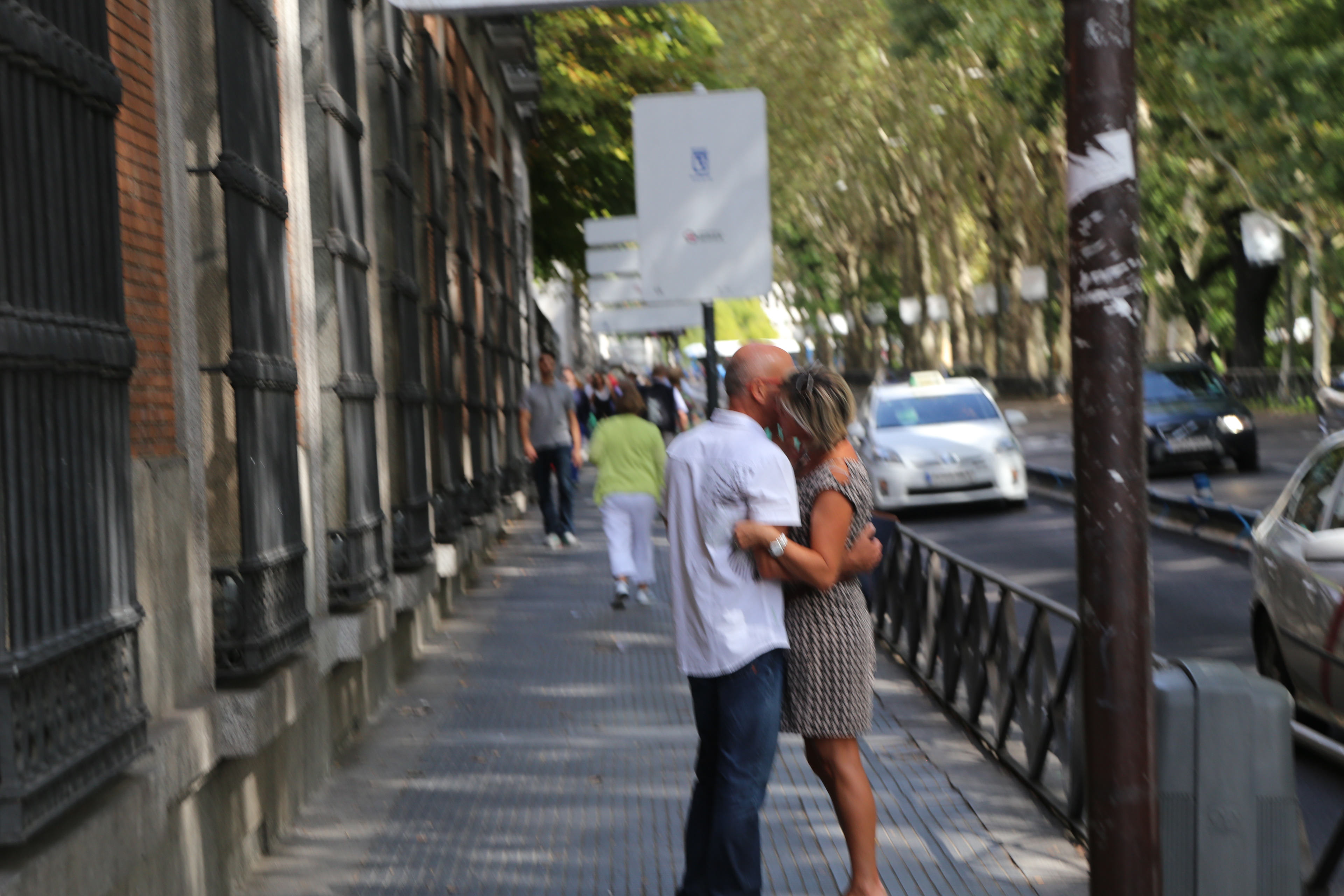
Street photography has always carried a kind of tension that’s hard to resolve neatly. It lives in that narrow space between documenting reality and stepping into someone else’s moment without invitation. You walk through a city—maybe New York City or Tokyo—and everything feels like a scene waiting to be captured: light hitting a face just right, a gesture mid-air, a fleeting alignment of people and architecture. The camera makes it all feel purposeful, even justified. But the question lingers, sometimes quietly, sometimes uncomfortably loud—who is this really for?
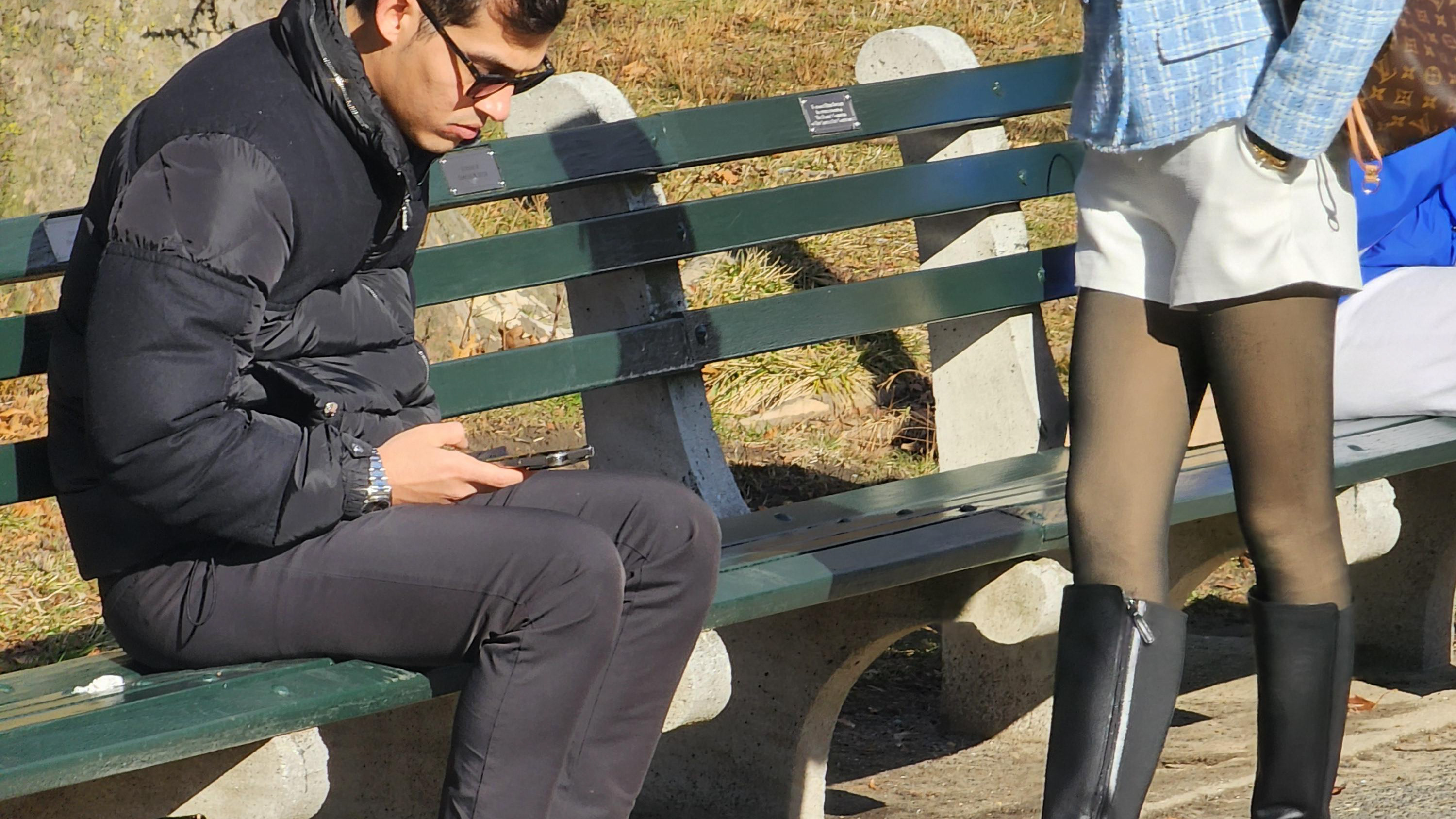
At its core, street photography leans on the idea that public space is fair ground. Legally, in most places, it is. Ethically, it’s less straightforward. A person sitting alone, lost in thought on a bench, hasn’t consented to become part of someone else’s visual narrative. Yet that image might resonate deeply with viewers, precisely because it feels unfiltered and real. That paradox sits at the heart of the practice: authenticity often depends on the absence of permission, but that same absence can feel like a violation when you stop to think about it too long.
There’s also the matter of power, which creeps in whether you intend it or not. The photographer chooses the frame, the timing, the context. A passerby becomes a subject, stripped of control over how they are seen. Historically, photographers like Henri Cartier-Bresson or Garry Winogrand captured candid moments that defined the genre, but they were also working in a different cultural climate—less awareness, fewer cameras everywhere, no instant global distribution. Today, a single image can circulate far beyond its original context, and that changes the stakes. What once felt like a fleeting observation can become a permanent digital artifact.
Some photographers deal with this by keeping a kind of internal code, even if it’s never written down. Avoid photographing people in vulnerable situations. Skip moments that could embarrass or harm. If someone notices and objects, lower the camera—no argument. It’s not about following rules as much as maintaining a sense of proportion. Not every interesting moment needs to be captured, and not every captured moment needs to be shared.
Then there’s the argument that street photography serves a broader cultural role. It documents how people live, dress, interact—things that staged photography often misses. Without it, visual history becomes oddly sanitized. When you look at older street photographs, you’re not just seeing individuals; you’re seeing entire eras condensed into human moments. That doesn’t erase the ethical tension, but it complicates it. The value isn’t purely personal or aesthetic—it can be archival, even anthropological.
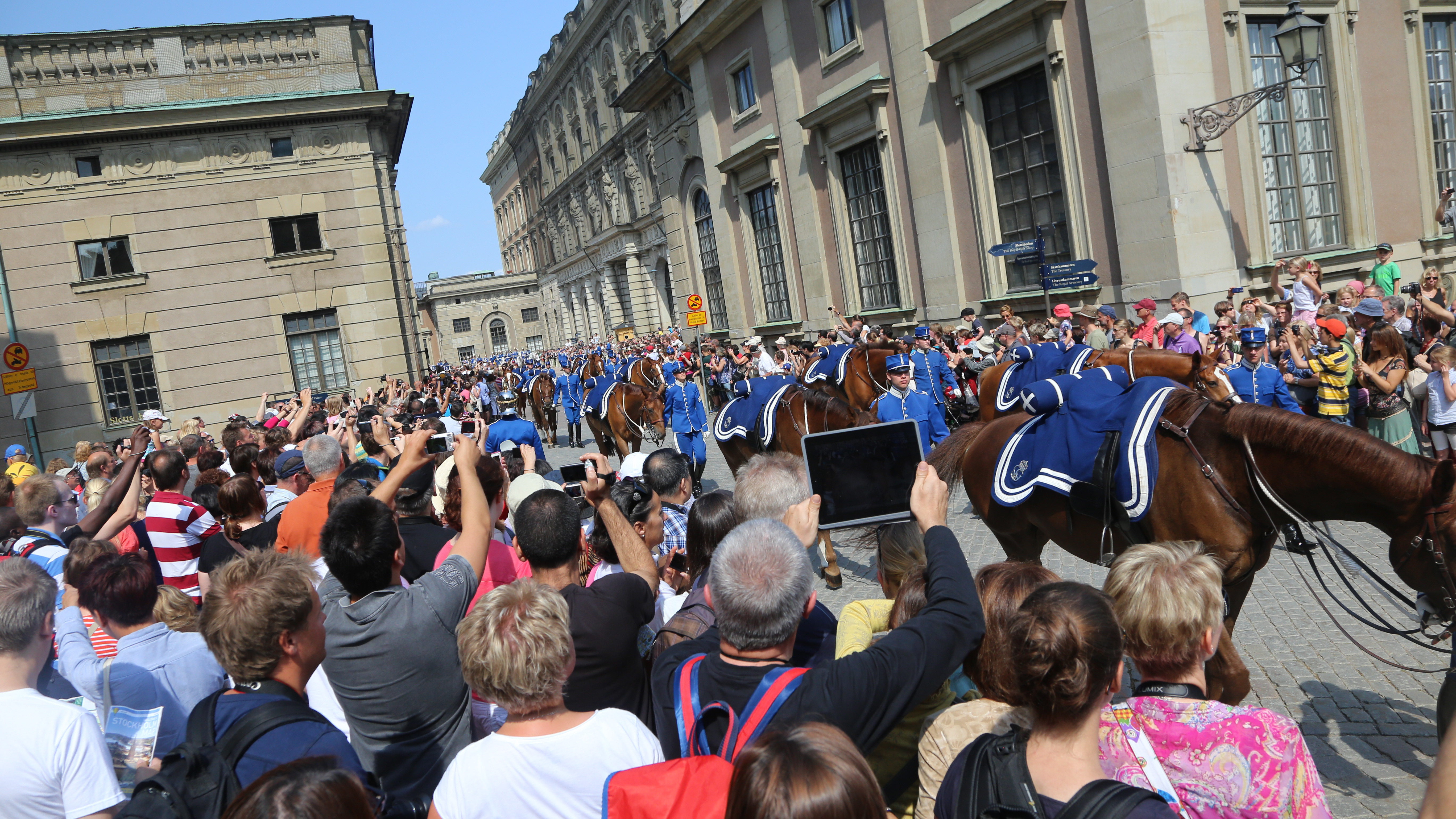
Still, intent matters less than impact in many cases. A photograph taken with curiosity can still feel invasive to its subject. And in a world where everyone carries a camera, the line between observer and participant has blurred. People are more aware now, more guarded, sometimes more performative. Ironically, that awareness makes genuine candid moments rarer—and perhaps more ethically loaded when they do occur.
So the ethics of street photography don’t resolve into a clean answer. They shift depending on context, culture, and the sensitivity of the person behind the camera. It’s a practice that asks for constant calibration, not a fixed stance. You walk, you look, you frame—and somewhere in the back of your mind, there’s always that small hesitation, that pause before pressing the shutter. Sometimes you take the shot. Sometimes you don’t. And that decision, more than any rulebook, is where the ethics really live.