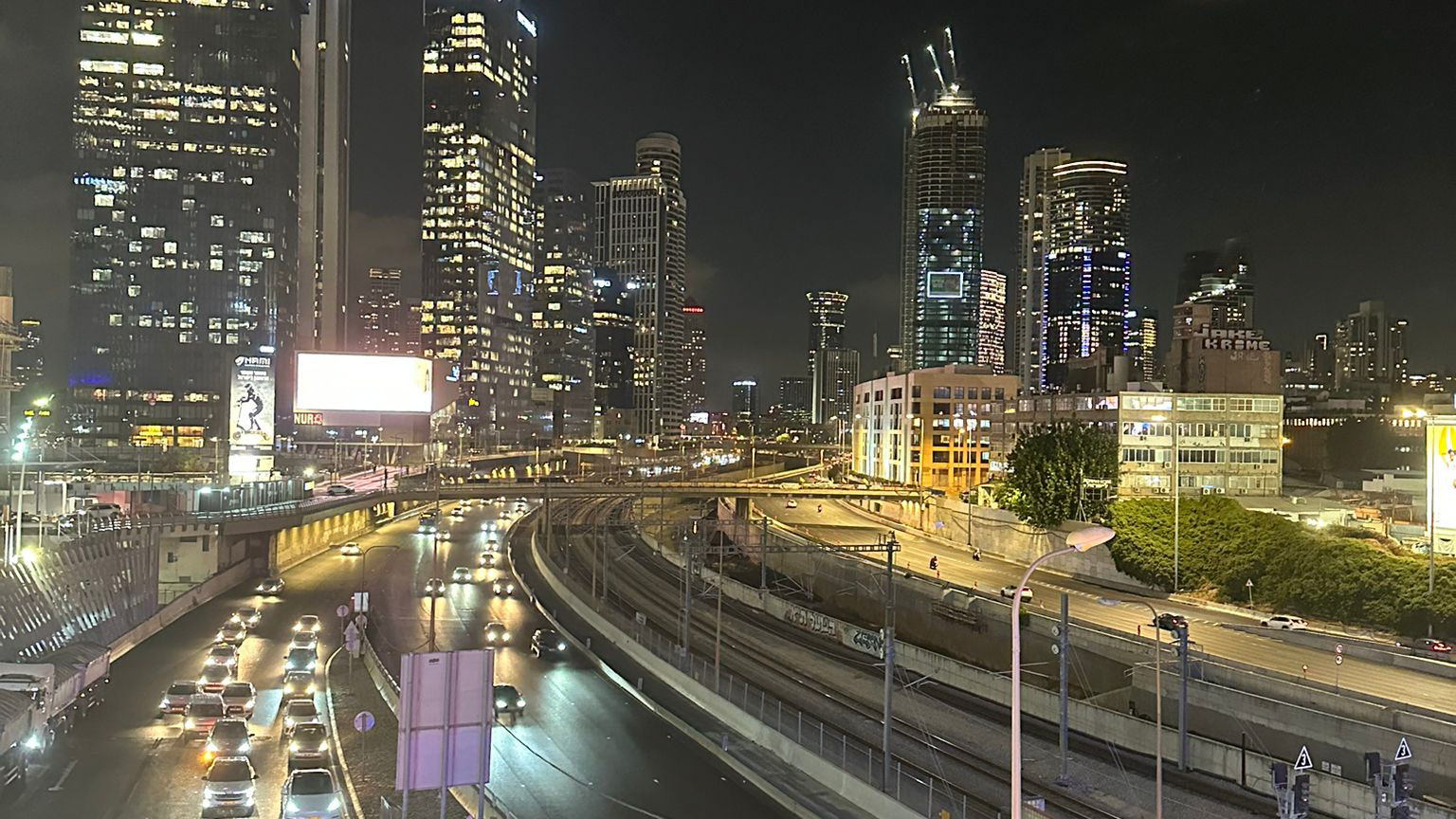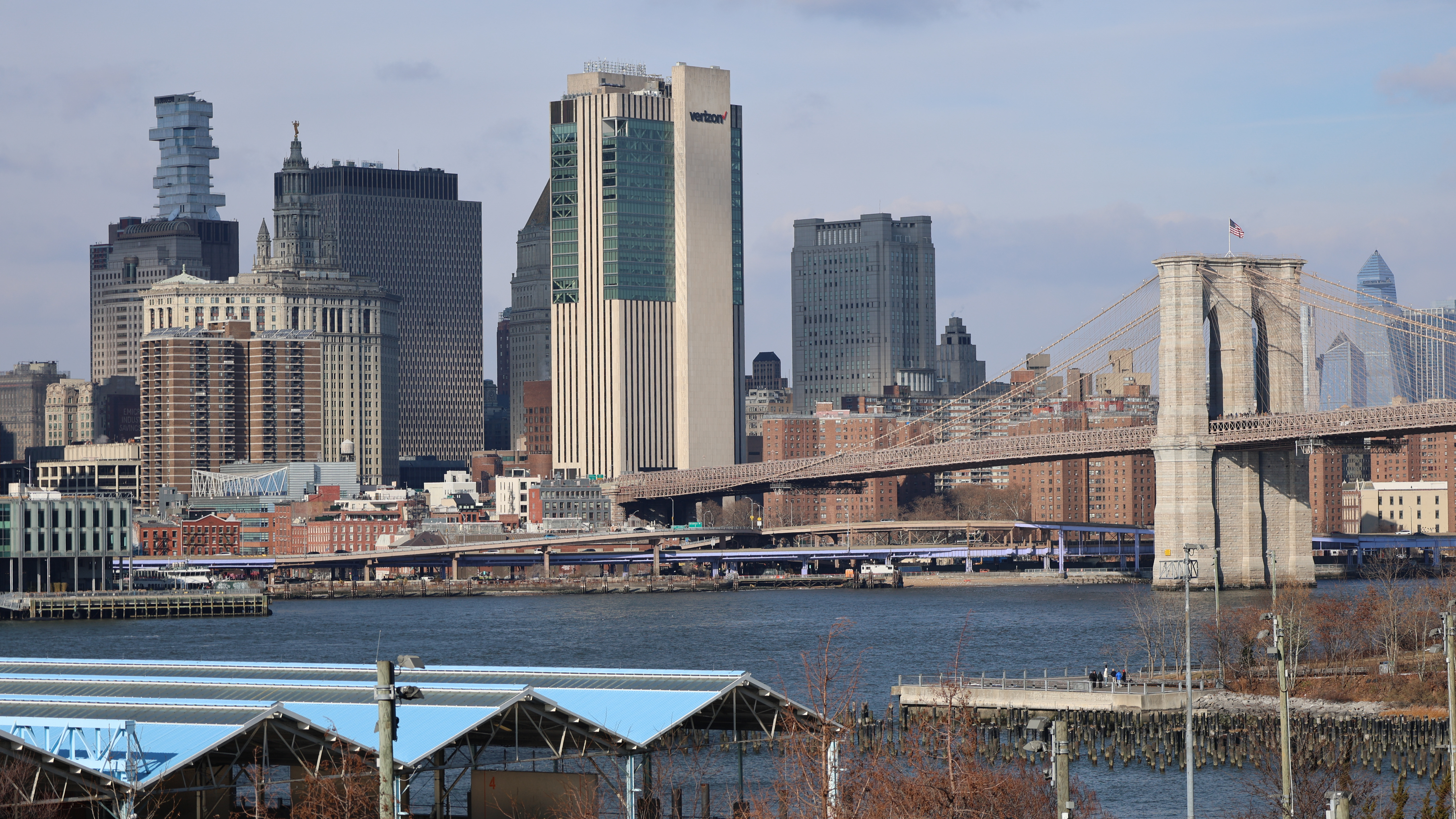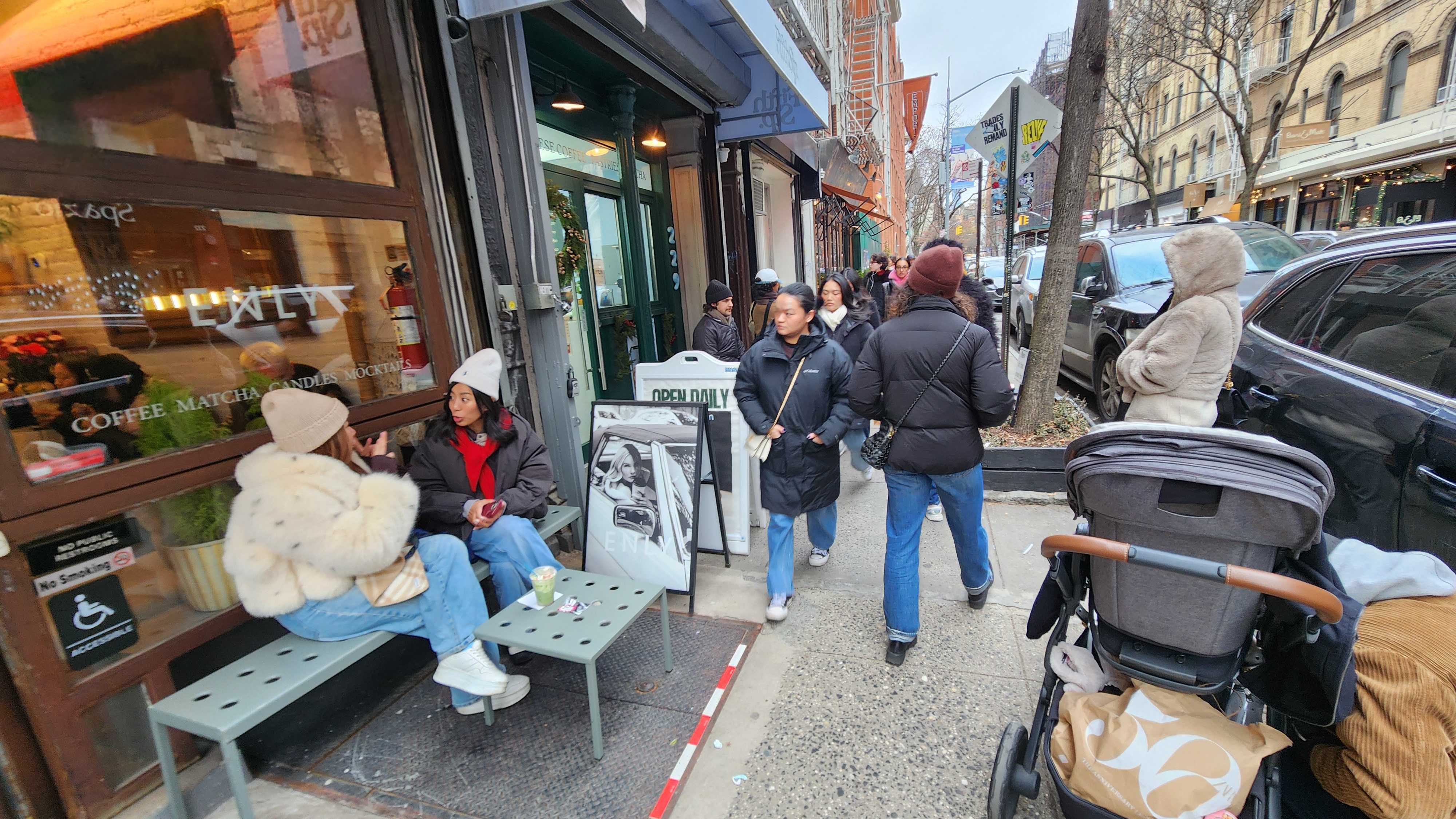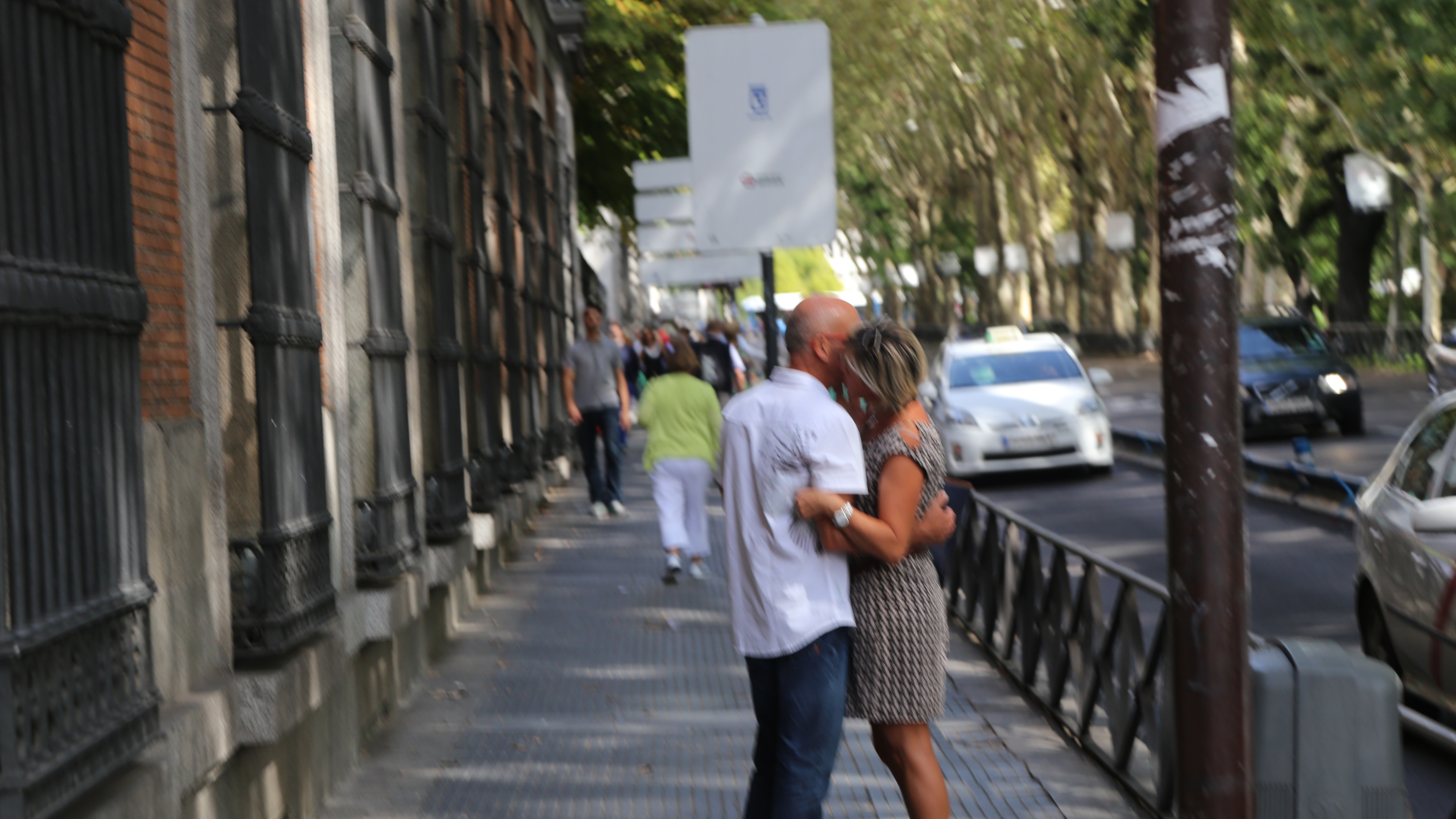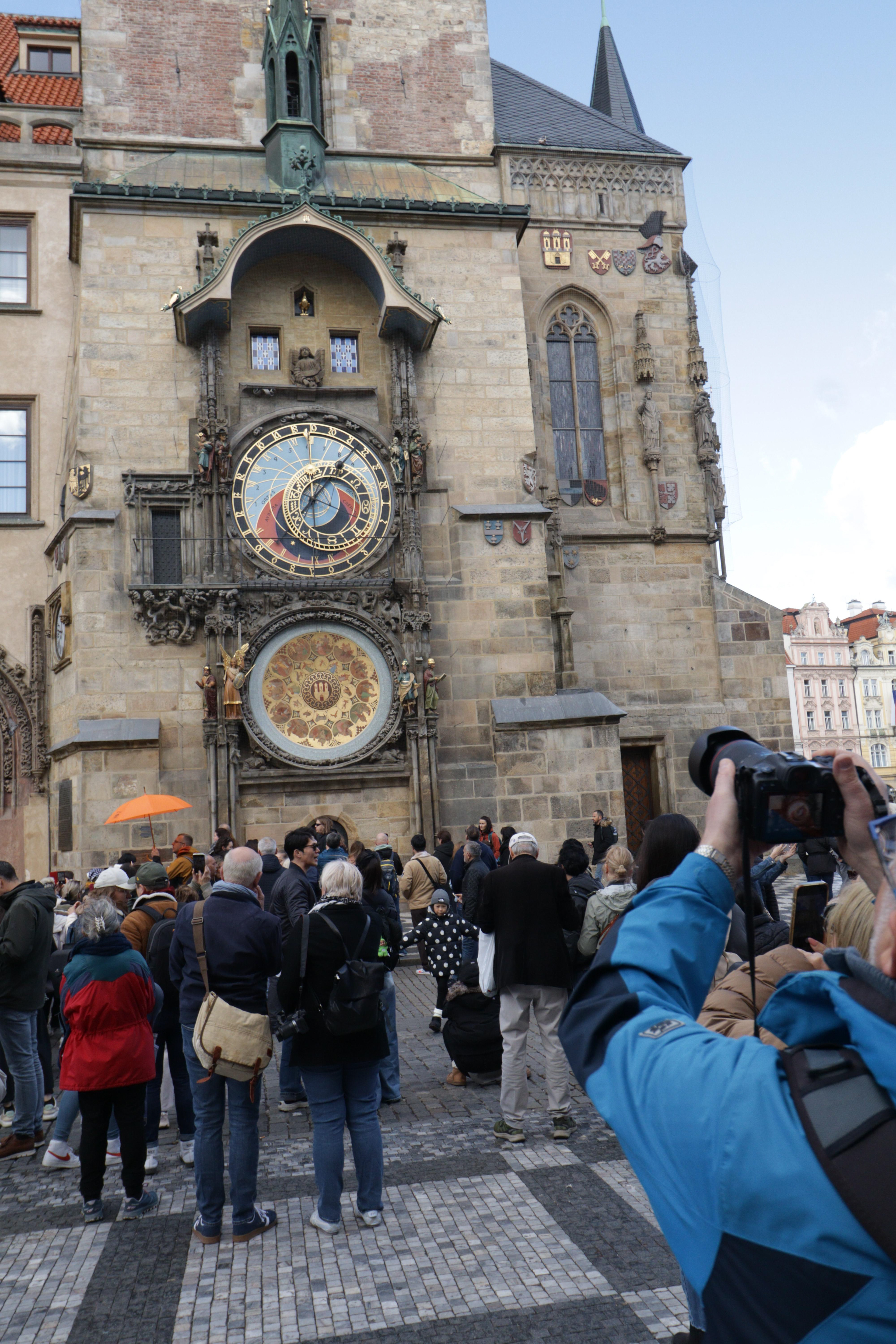
There’s a certain electricity in the air when you stand in front of a place that so many have dreamed about, and you’re holding a camera, deciding what to do with that moment. Here, the Prague Astronomical Clock looms over the Old Town Square like a patient storyteller, layered with centuries of weather, hands, repairs, and glances from people who traveled across continents just to witness its hourly show. The walls are aged stone the color of baked bread. The clock’s golden rings shimmer even under a cloud-dimmed sky, like someone polished them just before you arrived. A small crowd gathers, bundled in coats, shifting their weight from foot to foot on the patterned cobblestone. The person to the right lifts their camera a little too enthusiastically, and someone else nearby checks their phone, pretending to listen but really waiting for the figurines to move. The whole scene feels familiar if you travel often: that quiet shared anticipation, strangers gathered in a temporary moment of wonder.
Travel photography, for me, is about catching that exact, fragile moment before it dissolves. It’s never only about the landmark; it’s about the mini-stories orbiting around it. The couple with the bright orange umbrella who forgot to close it even though the sky cleared. The guide trying to explain cosmic mechanics to a group who secretly just want to film the twelve apostles. The child in a polka-dot jacket, more fascinated by pigeons than clockwork miracles. When I lift the camera, I’m not documenting a monument. I’m documenting how it felt to be here, now, among these people, breathing this air, hearing echoes bounce off these stones.
What keeps me thriving on travel photography is the hunt for those in-between details. You never quite know what you’ll get. You wander through the world like a collector of atmospheres, gathering light and shadow and the things people don't mean to reveal. A city will show you different faces depending on your pace, your mood, or even the weather that day. Some days you feel part of the crowd. Other days you feel like a quiet observer standing just behind your own shoulder. But either way, the camera gives shape to the experience. It slows time just enough to notice texture, gesture, timing, and the subtle choreography of ordinary life in extraordinary places.
For me, the joy is not only in taking the photo, but in understanding that once this moment passes, it will only exist in memory. The click of the shutter is a tiny act of defiance against time: I saw this, and it mattered to me. Maybe it mattered only to me, but that’s enough. When I look back at photos later, even years later, I don’t just see where I was. I remember who I felt like then. And sometimes, that’s the part of travel that stays long after the flights, the trains, the maps, and the crowds fade away.